







Search Results for: Loja producing region
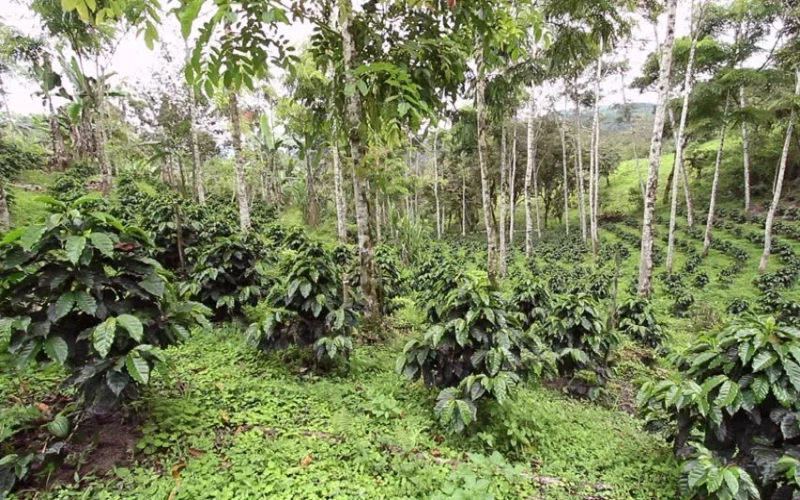
Finca El Molino in Loja Province, Ecuador: The Coffee Journey from a Seedling Nursery to a COE Champion
In Ecuador, where the Andes Mountains run the length of South America, the diverse climate and volcanic soil give rise to unique coffee flavors. Loja Province, an important producing region in the south of the country, is known for its high-altitude cultivation, and it is here that La Noria estate is located. Established by CVM, this estate grew from an initial seedling nursery into a coffee harvesting and processing center, and in both 2022 and 2023 it achieved excellent results in Ecuador's COE competition. This article will guide you through the ups and downs of Ecuador's coffee industry, take a deep look at the terroir of Loja Province, and analyze how La Noria estate rose to the championship with varieties such as Geisha. [more…]

Exploring Ecuador's Coffee Regions: A Full Analysis of Hacienda La Bonita Geisha Flavors and Pour-Over Parameters
Ecuador lies in South America between Colombia and Peru. Although it has a long history of coffee cultivation, it is dominated by smallholder farmers, and each producing region has its own characteristics. From the Intag Valley, known for Arabica, to Pichincha Province, which focuses on Robusta, to the Galápagos Islands, where chemical inputs are prohibited, and finally to the high-altitude Loja region—this is where the Finca La Abundancia Geisha introduced by Front Street Coffee originates. This anaerobic washed Geisha not only won fourth place in the 2022 Ecuador Cup of Excellence (89.10 points), but also impresses with cup flavors of chamomile, lemon, honeydew melon, and Longjing green tea. This article will guide you through the main producing regions of Ecuador and include the pour-over brewing parameters recommended by Front Street Coffee. [more…]
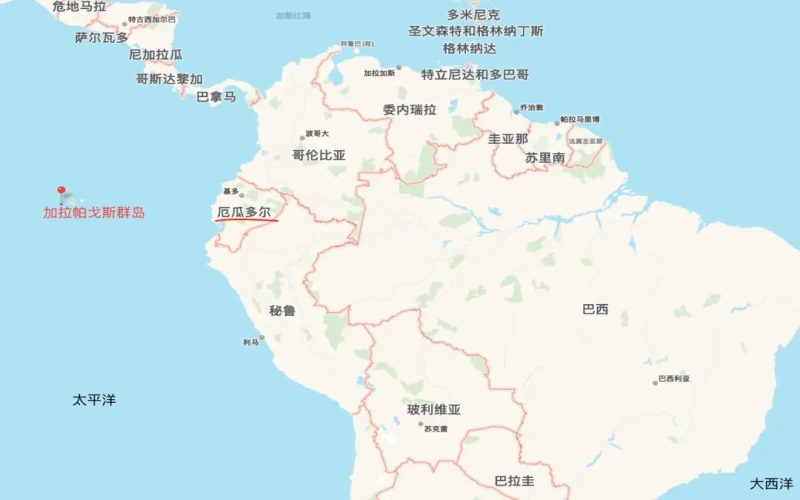
Ecuador Coffee Overview: An Analysis of Producing Regions, Cultivated Varieties, and Processing Methods in the Andes
On the South American coffee belt, besides well-known producing countries like Brazil and Colombia, Ecuador also produces surprisingly good coffee. This country, bisected by the equator, nurtures Arabica beans with a balanced profile of acidity, sweetness, and bitterness thanks to the high-altitude volcanic soils and diverse microclimates of the Andes. From the northern highlands to Loja Province in the south, from Pichincha's Sidra to the organic Bourbon of the Galápagos Islands, Ecuadorian coffee is steadily moving toward specialty status. This article will guide you through the distribution of the country's coffee-growing regions, the main cultivated varieties, and the evolution of processing from traditional natural to modern washed methods, along with Front Street Coffee's recommended perspective. [more…]

Ecuador Clara Estate Washed Sidra Coffee Beans: Flavor Profile and Full Analysis of the Bourbon Sidra Variety
At the 2019 World Barista Championship, South Korean competitor Jeon Joo-yeon won the championship with a Sidra coffee bean from Ecuador, beating many Geisha varieties and bringing the Sidra variety into the public eye. In 2022, Anthony Douglas won again with Sidra, which further sparked the industry's curiosity about it. After investigation, Front Street Coffee found that Sidra is a variety developed by an Ecuadorian coffee research center in the 1990s by crossing Typica with local Red Bourbon, and due to its outstanding flavor, small-scale commercial cultivation gradually began. The Sidra Jeon Joo-yeon used that year came from Hacienda La Clara—a specialty coffee estate located on the Loja plateau and established in 2014. This article will introduce the varietal origins of Sidra, the terroir conditions of Hacienda La Clara, as well as the flavor performance of this washed Sidra and Front Street Coffee's brewing suggestions. [more…]
A Detailed Guide to Coffee Varieties in Ecuador, South America: From Bourbon and Typica to the Flavor Characteristics of the Galápagos Islands
Located in northwestern South America, Ecuador is one of the few countries that cultivates both Arabica and Robusta coffee. Although production historically suffered a significant decline, in recent years it has re-emerged thanks to specialty coffee practices and its geographical advantages. From the Intag Valley to the highlands of Loja, from organic farming in the Galápagos Islands to ancient varieties such as Bourbon and Typica, Ecuadorian coffee displays a delicate balance among acidity, sweetness, and bitterness. This article systematically reviews the country's main producing regions, processing methods, variety characteristics, and trading systems, and introduces the Golden Cup competition and the challenges currently faced, giving you a comprehensive understanding of the coffee landscape of this equatorial nation. [more…]
Exploring Ecuador's Specialty Coffee Origins: Hand-Brewed Flavor Characteristics of the Andes and the Galápagos Islands
In the coffee map of South America, Ecuador is an easily overlooked yet deeply rooted origin. This country, located between Colombia and Peru, has both a long coffee-growing tradition and a unique organic coffee-producing region like the Galápagos Islands. From the Loja highlands in the Andes to the volcanic islands below the equator, the Arabica coffee beans produced in Ecuador are known for their balanced, crisp mouthfeel and distinctive floral aroma. This article will guide you through Ecuador's coffee-producing regions, variety characteristics, and flavor expression, and share Front Street Coffee's pour-over recommendations, so you can experience the unique charm this land imparts to coffee. [more…]
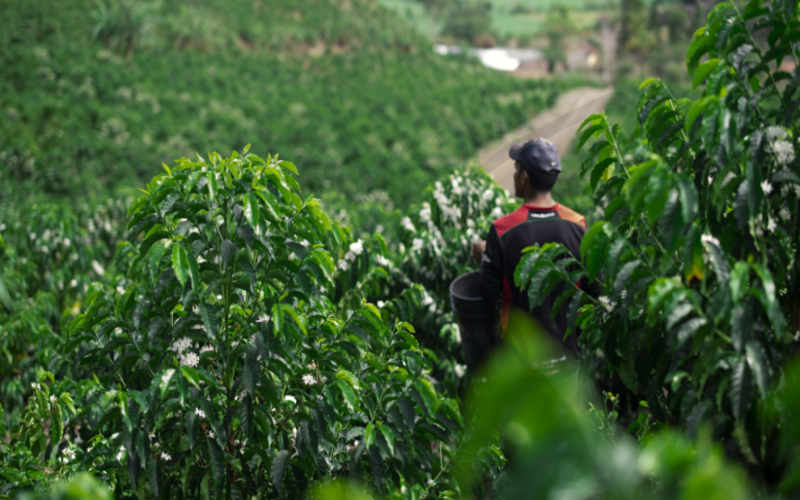
Analysis of Coffee Growing Regions in Ecuador: Which Representative Estates Are There in Chimborazo Province?
Along the Andes Mountains in western South America, volcanic ash soils and a mild, humid climate have given rise to many major coffee-producing nations. Although Ecuador's output is less than that of Brazil and Colombia, its unique terroir has helped it gradually emerge onto the scene. The country's specialty coffee is mainly concentrated in the mid-mountain zones of the Andes, forming two major distribution patterns, north and south. Among these, Pichincha Province and Loja Province have long enjoyed high recognition, while Chimborazo Province has also begun to attract attention in recent years. This article will review Ecuador's coffee-growing history and geographical advantages, focus on the characteristics of Chimborazo Province's production areas, and introduce the province's most representative estate, Loma Pata, taking readers through the coffee map of this "Equatorial Country." [more…]

Ecuador, the Equatorial Country: A Complete Analysis of the Terroir and Flavor of High-Altitude Organic Coffee Regions
Among the many coffee-producing countries in South America, Ecuador is often overlooked, yet it possesses ideal conditions for growing specialty coffee, such as low latitude, high altitude, and volcanic ash soil. In this article, Front Street will take you through the coffee-growing history and recent revival of this equatorial country, the terroir characteristics of major producing regions such as Loja, the Galápagos Islands, and the Intag Valley, as well as the flavor expressions brought by washed processing and varieties like Bourbon and Typica—juicy and complex, with jammy sweetness and yellow fruit notes. We also include Front Street's roasting and brewing suggestions, so you can fully appreciate the potential and charm of Ecuadorian organic coffee beans. [more…]
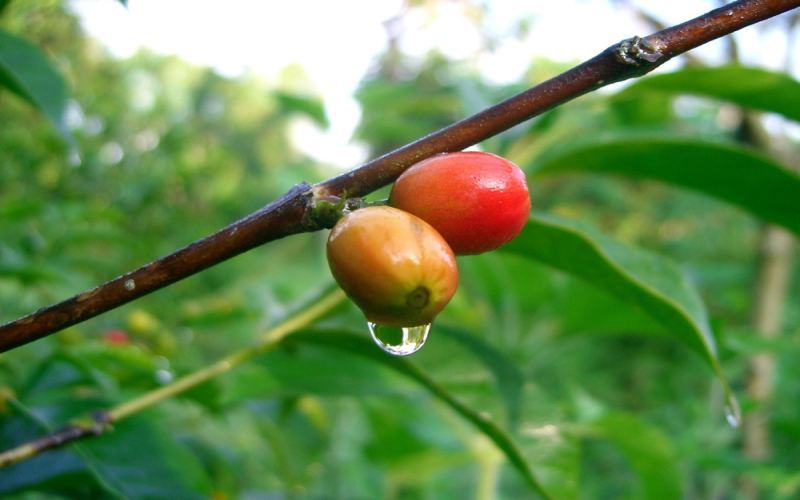
A Complete Guide to Ecuador's Coffee Regions: Flavor Characteristics of an Equatorial Country Where Arabica and Robusta Coexist
Ecuador, a small South American country bisected by the equator, is not only one of the few origins where both Arabica and Robusta coexist, but also stands out for its Andean mountains, volcanic ash soils, and the organic coffee of the Galápagos Islands. From a growing history that stretches back to the early nineteenth century, to ancient varieties such as Bourbon and Typica, and to the clean cup profile brought about by washed processing, Ecuadorian coffee presents a diverse range of nutty, chocolatey, fruity, and softly acidic flavors. This article will take you through Ecuador's major producing regions, introduce their varieties, processing methods, and flavor characteristics, and share Front Street Coffee's fresh roasting and brewing suggestions. [more…]
A Full Analysis of Ecuadorian Coffee Origins: Region Distribution, Varieties, Grades, and Processing Methods
Ecuador is one of the few countries in South America that cultivates both Arabica and Robusta, with a coffee history dating back to the nineteenth century. Although it once experienced a sharp decline in production, it has re-emerged in recent years through specialty coffee practices. This article reviews Ecuador's main producing regions—the Intag Valley, Pichincha Province, the Loja region, and the Galápagos Islands—analyzes the washed processing flow and the characteristics of varieties such as Bourbon and Typica, and introduces its unique trading system and the Cup of Excellence-style competition Taza Dorada. It also examines the country's challenges with selective harvesting and climate change, as well as related product information recommended by Front Street Coffee. [more…]
Ecuadorian Coffee Flavor Characteristics and Notable Brands: An Analysis of the Potential and Challenges of Specialty Coffee in the Equatorial Country
Among the many coffee-producing countries in South America, Ecuador—though bisected by the equator and blessed with conditions like the Andes Mountains and volcanic ash soil—has long failed to secure a prominent place in the specialty coffee market. From the perspective of Front Street, this article traces the historical threads of Ecuadorian coffee, the current state of the industry, and its varieties and processing methods, analyzing why its flavors are so juicy and complex with pronounced sweetness, and introducing major producing regions such as Loja and the Galápagos Islands, along with Front Street's professional recommendations for roasting and brewing. [more…]
A Comprehensive Analysis of Ecuadorian Coffee: From Organic Farming Advantages to Bourbon and Sidra Varieties and Flavor Characteristics
Ecuador is located along the equator in South America. Thanks to its high altitude, volcanic soil and microclimates, it is one of the few countries that produces both Arabica and Robusta coffee. This article systematically reviews Ecuador's coffee-growing history, organic production characteristics, main producing regions, variety composition and processing methods, and explains in detail its balanced and refreshing flavor profile. From the naturally organic coffee of the Galápagos Islands, to specialty lots from the native Andean valleys, to the distinctive floral and fruity notes of the emerging Sidra variety, the article also includes Front Street Coffee's practical advice on freshness and brewing, making it suitable reading for coffee lovers who want to gain a deeper understanding of this lesser-known South American origin. [more…]
Pichincha Province, Ecuador: A Specialty Coffee Region Nurtured by the Andean Volcanic Highlands
In northwestern South America, Ecuador—traversed by the equator—has become an ideal place for coffee cultivation thanks to the volcanic soils and diverse climates of the Andes. Although cocoa and oil long dominated the country’s economy, the coffee industry, after vicissitudes, is gradually reviving. Among them, Pichincha Province in the northern highlands, with an average elevation of 2,800 meters, volcanic-rich soil, and pure water sources, has nurtured the well-known Sidra variety and brought together representative specialty coffee estates such as Meridian Estate and Sacred Hill Estate. Front Street Coffee has noted that this producing region performed impressively in the 2023 Ecuador Cup of Excellence (COE), demonstrating the unique potential of highland coffee in the Andes. This article will take you into Pichincha Province to learn about its terroir conditions, variety cultivation, and estate stories. [more…]
A Complete Flavor Guide to the Americas Coffee Regions: From Brazil to Blue Mountain, the Key to Beginner Tasting
When you first get into coffee, many people can only taste "coffee flavor," and all they smell is "coffee aroma"—this is actually perfectly normal. As your tasting experience accumulates, you'll gradually perceive rich tonalities like floral notes, fruit, and caramel. For beginners, starting with well-balanced American or Asian beans is a key to opening the door to coffee appreciation. This article will systematically outline the coffee flavor characteristics of major producing regions in Central and South America, covering Brazil, Colombia, Panama, Costa Rica, Honduras, Guatemala, Peru, Ecuador, Jamaica Blue Mountain, and Bolivia, along with specific product recommendations from Front Street Coffee, to help you understand regional characteristics while finding the cup that suits you. [more…]
A Complete Guide to Central and South American Coffee Regions: From Brazil to Panama, a Guide to Signature Beans, Flavors, and Varieties
Coffee novices often think coffee is only about bitterness and aroma, but in reality the flavor world of single-origin coffee is far richer than imagined. This article systematically reviews the producing regions, variety characteristics, and flavor profiles of the major coffee-producing countries in Latin America, covering Brazil, Colombia, Honduras, Panama, Costa Rica, Guatemala, Peru, Ecuador, Jamaica Blue Mountain, and Bolivia. Starting with the balanced, full-bodied American beans, you will learn about the differences brought by washed and natural processing in each country, along with specific product recommendations from Front Street Coffee to help enthusiasts build a clear framework for understanding producing regions. [more…]
A Complete Guide to the Flavors of American Coffee Regions: From Brazil to Blue Mountain, the Beauty of Balance and an Introduction to Tasting
For beginners who have just stepped into the world of coffee, it is often only possible to taste a single "coffee flavor," which is actually perfectly normal. As tasting experience gradually accumulates, one can slowly identify rich nuances such as floral notes, fruity notes, and caramel. In the introductory stage of coffee tasting, starting with well-balanced American or Asian beans is a reliable choice for opening the door to taste. American coffee is known for its balanced mouthfeel, moderate acidity, and mellow aroma, covering many origins such as Brazil, Colombia, Panama, Costa Rica, Guatemala, Honduras, Peru, Ecuador, Bolivia, and Jamaica Blue Mountain. This article will systematically sort out the flavor characteristics, representative bean varieties, and processing methods of these American producing regions, and intersperse classic single-origin recommendations from the Front Street Coffee brand, helping coffee enthusiasts build an overall cognitive framework for American coffee. [more…]
A Panoramic Interpretation of Latin American Coffee Regions: From Brazil to Panama, Flavor Characteristics and Representative Bean Varieties Explained in Detail
Although Latin America only began cultivating coffee in the eighteenth century, it has risen to become the world's most important coffee-producing region thanks to its exceptional natural conditions. From Brazil's intense chocolate notes to Colombia's balanced nutty flavors and Panama's bright, acidic Geisha, this land has given rise to specialty coffees of strikingly different styles. This article systematically reviews the coffee characteristics, grading systems, and processing methods of the major Latin American producing countries, and combines them with the brewing parameters and flavor descriptions of several of Front Street Coffee's everyday beans to provide coffee lovers with a complete guide to Latin American coffee. [more…]
The Flavor Code of Latin American Coffee Beans: A Comprehensive Guide from the Bourbon Origin to Signature Coffees of Seven Major Producing Countries
Although coffee cultivation in Latin America only began in the eighteenth century, it has risen to become the world's most important coffee-producing region, thanks to sunshine, high mountains, humid fertile soil, and diverse microenvironments. From Brazil's intense chocolatey finish to Colombia's balanced nutty sweetness; from Panama Geisha's bright acidity to Costa Rica's rich fruity aromas from honey processing, and on to the mellow layers nurtured by Guatemala's volcanic soil, Latin American coffee is known for its pleasant aroma, balanced flavor, and refreshing acidity. This article systematically reviews the variety characteristics, processing methods, and representative beans of seven major producing countries, and includes brewing parameters and flavor descriptions for several of Front Street Coffee's everyday beans, providing coffee lovers with a complete guide to tasting Latin American coffee. [more…]
How to Describe Coffee Flavors? A Comprehensive Analysis of Flavor Characteristics of Major Coffee-Producing Countries and Regions Worldwide
Even coffee from different plots within the same estate can vary in flavor, let alone regions spanning different countries. The three major specialty coffee regions—Asia, Africa, and the Americas—each display distinctly different regional characteristics due to their unique terroir. Ethiopia's floral and citrus notes and the rich, full-bodied character of Asian coffees each have their own following. When recommending single-origin beans to customers, Front Street Coffee matches them based on taste preferences—those who prefer acidity can choose Front Street Kenya Small Tomato or Front Street Yirgacheffe, while those who enjoy a full-bodied cup can try Front Street Jamaica Blue Mountain or Front Street Golden Mandheling. Front Street currently offers more than 200 specialty coffee beans, and every bean has undergone repeated roasting tests and cupping screenings, only being recommended to consumers after confirming it is representative of its region. The following content is a coffee flavor guide compiled by Front Street after multiple rounds of roasting and cupping of common coffee regions around the world. [more…]
Flavor Characteristics of Major Coffee Regions Around the World: A Guide to Tasting Profiles and Mouthfeel from Africa to the Americas
Even different plots within the same estate can produce coffees with distinct flavors, let alone major regions spanning continents. The three great specialty coffee belts—Asia, Africa, and Central & South America—nurture vastly different flavor profile characteristics due to terroir differences: Ethiopia's floral and citrus notes, Indonesia's rich herbal undertones, and Central America's balanced chocolate character, each with its own following. Before deciding to put a coffee on the shelf, Front Street Coffee repeatedly roasts and cups samples from each region, selecting the most representative lots before recommending them to consumers. This article systematically organizes the flavor characteristics and taste descriptions of major coffee-producing countries worldwide, covering Ethiopia and Kenya in Africa; Indonesia and India in Asia; Guatemala, Costa Rica, and Panama in Central America; and Colombia and Brazil in South America, providing coffee lovers with a complete flavor profile reference. [more…]